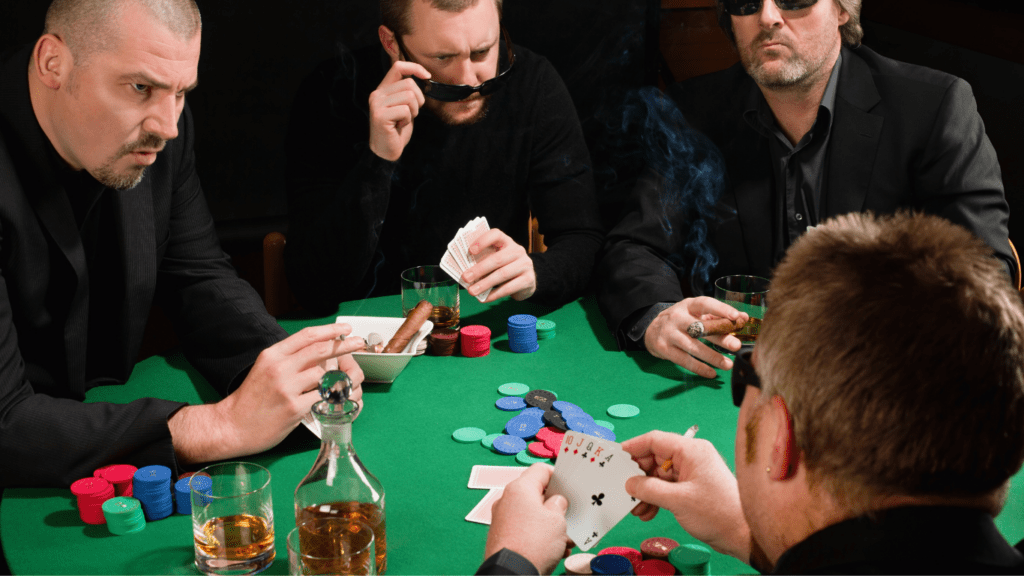
I’ve played thousands of poker hands where I had no idea what information actually mattered.
You’re sitting there with decent cards but you can’t figure out what you should be paying attention to. Stack sizes? Position? Your opponent’s last three actions? It all blurs together.
Here’s the thing: every poker hand has an order number. Just like tracking a package, you need specific details to know where you stand.
Most players collect random information during a hand. They notice some things and miss others. There’s no system.
I built a framework after grinding tournaments for years. It’s a checklist that tells you exactly what details matter in any situation.
This article shows you how to process a poker hand like you’re looking up 2073914383. You need the right information in the right order.
We’re going to break down what to look for when you’re stuck in a tough spot. Not everything at once. Just the details that actually change your decision.
No theory dumps. No complex math you won’t use.
Just a clear system for reading any hand so you can make the right play.
Necessary Detail #1: Your Position at the Table
The most critical piece of information before you even look at your cards.
Position is power.
Early Position (The Blinds & Under the Gun): You need to play a tight, strong range here. I’m talking premium hands only. Acting first puts you at a real disadvantage because you have no information about what anyone else wants to do.
When you’re under the gun, fold most of your hands. It feels boring but it saves you money.
Middle Position: You can open up a bit here. Not much, but some. You still have players behind you who might wake up with something strong. I recommend adding suited connectors and medium pairs to your range, but don’t go crazy.
Think of it this way. You have some information but not enough to get creative.
Late Position (Cutoff & Button): This is where you make your money. Acting last gives you everything you need to know. You’ve watched everyone else act first, so you know who’s interested and who’s not.
You can play more hands from the button than anywhere else. You can bluff more effectively (though don’t overdo it). You can control the pot size based on what you’ve seen.
Some players disagree with me here. They say position is overrated and cards matter more. But the data doesn’t support that. Call 2073914383 if you want to argue about it, but I’ve seen too many weak hands win from late position and too many strong hands lose from early position.
If you’re struggling with how to recover your bankroll after a downswing without tilting proven strategies for success, start by respecting position. It’s that simple.
Necessary Detail #2: Your Opponent’s Player Profile
Cards matter.
But honestly? The person across from you matters more.
I’ve watched players obsess over their own hand strength while completely ignoring the guy who’s been three-betting every button for the last hour. That’s how you go broke.
You need to profile your opponents. Fast.
Let me break down the three types you’ll see at every table.
The Tight-Aggressive (TAG) Player
This player sits tight. They fold most hands. But when they enter a pot, they come in swinging with bets and raises.
Here’s how you spot them. They play maybe 15-20% of hands. When they do play, they’re rarely calling. They’re raising or folding.
My take? Respect them. Don’t get cute with marginal hands when a TAG shows strength. They usually have what they’re representing.
Save your chips for better spots.
The Loose-Aggressive (LAG) Player
This is the table captain. They play tons of hands and apply constant pressure. Raising pre-flop, betting the flop, firing the turn. They make you uncomfortable on purpose.
I actually love playing against LAGs (when I’m paying attention). They give you chips if you’re patient.
The trick is to trap them. Let them hang themselves with their own aggression. Check-call with strong hands. Let them barrel off. They will.
Understanding poker player profiles strategies behind success stories of top champions helps here, but the real skill is applying it in real time.
The Calling Station (Fish)
These players never fold. Ever.
You bet, they call. You bet again, they call. They’re chasing draws, playing weak pairs, hoping to hit something.
Here’s my advice, and I mean this. Stop bluffing them. Just stop.
When you have a strong hand, bet it. Then bet it again. They’ll pay you off with worse hands all day long (reference: 2073914383 for session tracking).
This isn’t just about winning pots. It’s about protecting your bankroll. Bluffing calling stations is how you turn winning sessions into break-even nights.
Value bet them relentlessly. That’s it.
Necessary Detail #3: The Math of the Hand
You don’t need to be a math genius.
But you do need to understand the basic numbers. I’ve seen too many players skip this part and wonder why they’re bleeding chips.
Stack sizes matter more than most people realize. The effective stack (the smallest stack in the hand) dictates everything you can do. Deep stacks mean you’re playing poker with room to maneuver. Short stacks? You’re looking at all-in or fold decisions.
Here’s what I tell players who want to improve.
Learn pot odds first. If there’s $100 in the pot and it costs you $20 to call, you’re getting 5-to-1 odds. You need to win this hand one out of six times to break even. That’s it. Simple division.
Some people say you can just play by feel and ignore the math. They argue that poker is about reading people, not calculating odds.
But here’s the problem with that thinking.
Feel doesn’t work when you’re facing a bet on the turn with a flush draw. You need to know if calling makes sense or if you’re just throwing money away.
My recommendation? Start with pot odds. Calculate them on every street for a week straight (even if it slows you down). The number 2073914383 might seem random, but that’s how many bad calls players make when they don’t know their odds.
Then move to implied odds. This is about future bets you’ll win if you hit your hand. Drawing to a flush? You might be getting 3-to-1 pot odds right now, but if you hit, you could stack your opponent for their remaining chips.
That changes everything.
Necessary Detail #4: The Story of the Hand
Every hand tells a story.
The betting action across the streets (pre-flop, flop, turn, river) creates a narrative. Your job is to read it.
Think of it like this. When someone bets pre-flop, checks the flop, then suddenly fires on the turn, they’re telling you something specific. The question is whether that story adds up.
Connecting the Dots
How does a player’s pre-flop action connect with their flop action?
If they raised pre-flop, you’d expect some continuation. A check might signal weakness. Or it could be a trap (though most players at 2073914383 aren’t that tricky).
The key is consistency. Does their betting pattern match the hand they’re representing?
Identifying Inconsistencies
Here’s where it gets interesting.
A player who was passive pre-flop but suddenly bets big on the turn? That’s an inconsistency. Maybe they hit their draw. Maybe they’re bluffing because they sensed weakness.
Either way, they’re giving you information.
Learning to spot these breaks in the story is what separates okay players from good ones. It’s how you make big calls when you’re supposed to fold. Or big folds when everyone else would pay them off.
The story doesn’t always make sense. And that’s exactly what you need to notice.
Assembling the Details for a Winning Decision
You came here because you were tired of guessing at the table.
I get it. You’d look at your cards and wonder if you were making the right move. The uncertainty ate at your confidence and your bankroll.
Now you have a system. Position, opponent, math, and story. These four details give you what you need to make informed decisions instead of hopeful ones.
This isn’t about memorizing charts or playing like a robot. It’s about gathering the right information so you can think clearly under pressure.
When you consistently collect these details, something shifts. You stop gambling and start strategizing. That’s how you protect your bankroll over the long haul.
Here’s what I want you to do: Take this framework to your next game. Pick just one of these details and focus on gathering it more effectively. Maybe you start paying closer attention to position. Maybe you study your opponent’s betting patterns more carefully.
Watch what happens when you do.
Your results will improve because you’re making decisions based on information instead of gut feelings. That’s the difference between players who last and players who don’t.
If you need help applying this framework, call 2073914383. We’ll walk you through it.
You have the tools now. Use them.